In July 2020 Beijing Youth Daily published a feature on consumption of pre-owned luxury. Tencent News and China.com.cn each carried a version under different headlines, drawn from the same reporting. The backdrop: as first-tier brands raised prices against the downturn, pre-owned luxury — better value, and just as capable of meeting a social need — saw demand turn upward.
The Market Case in the Report
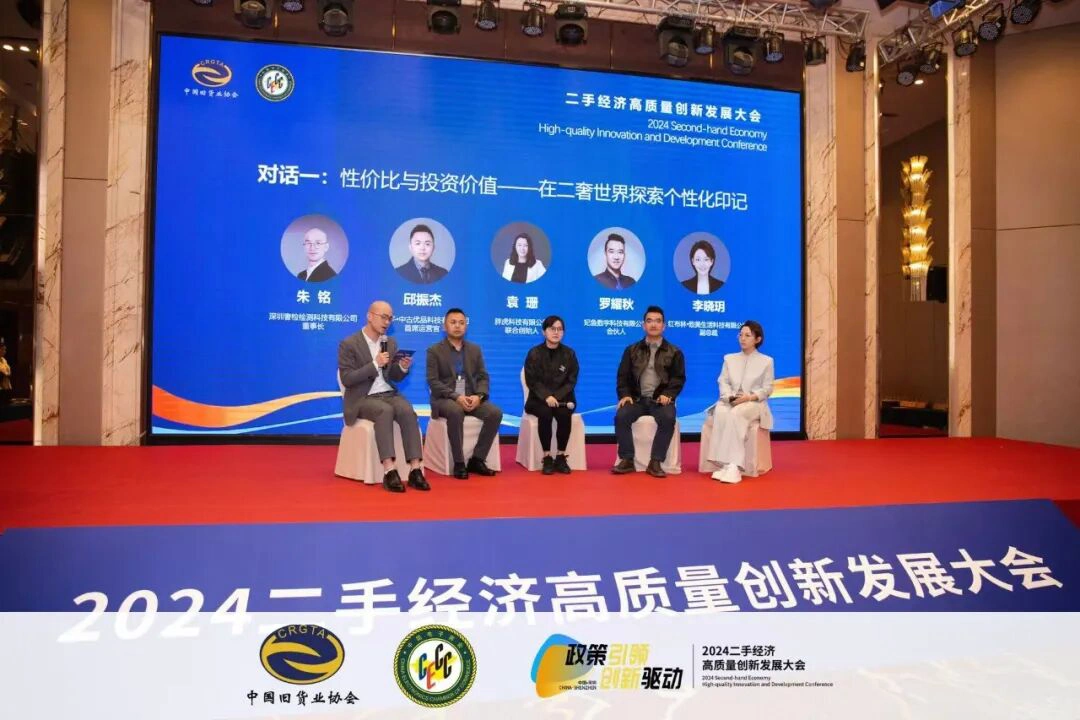
The article interviewed Qiu Zhenjie, then co-founder of Sheshouduo, who compared penetration rates across markets:
In developed markets, pre-owned luxury can account for more than 20% of total luxury spending. In our market it is around 2% — this is still a blue ocean.
The article also cites QuestMobile data: by 2018 the installed base of luxury goods in China exceeded CNY 3 trillion, of which only about 1.5% entered second-hand circulation each year, and the pre-owned luxury market recorded sales of roughly CNY 45 billion in 2018.
Two Tracks: Online and Off
The report describes two tracks running in parallel. One was livestreaming: rather than contracting during the pandemic, the trade grew, with authentication and consignment — steps that had belonged to the shop floor — moved online.
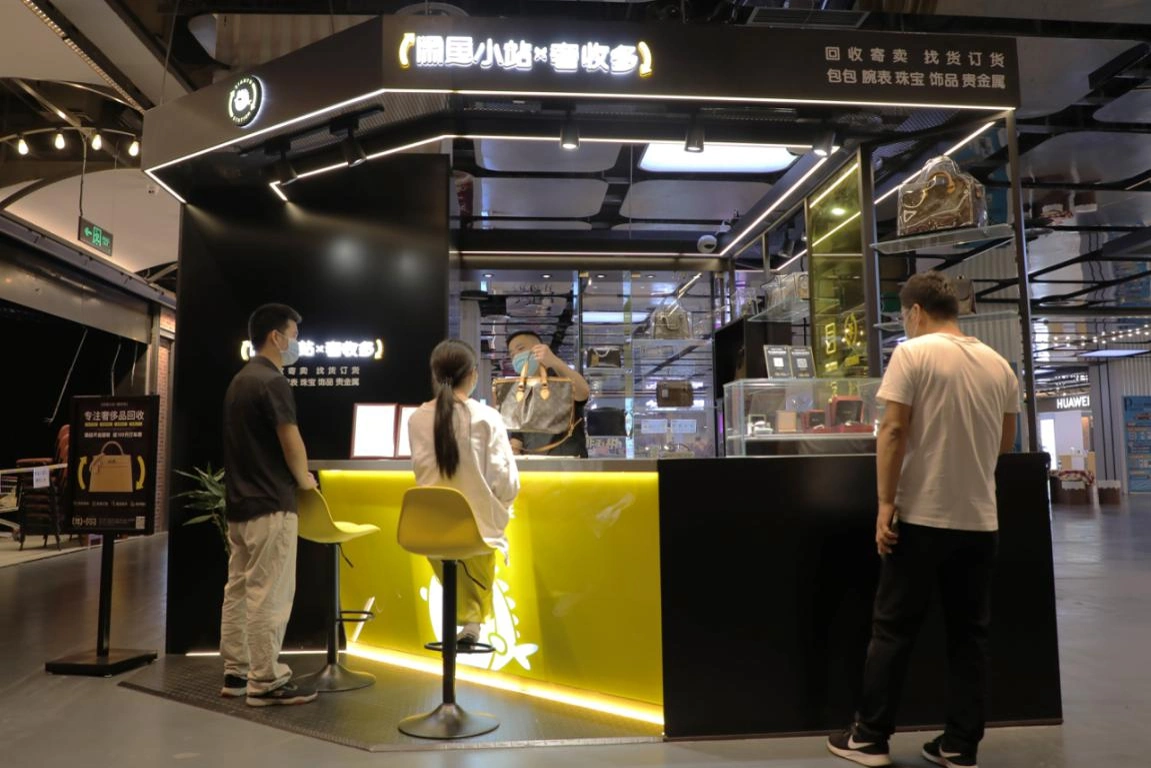
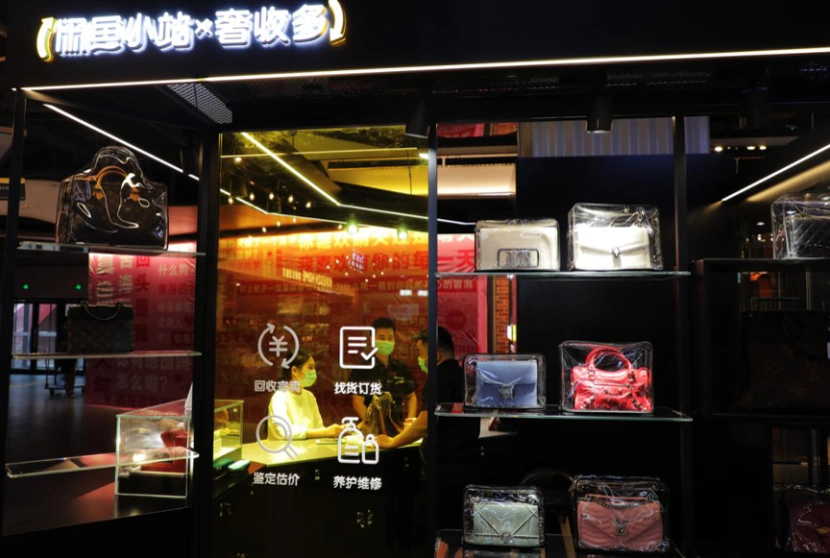
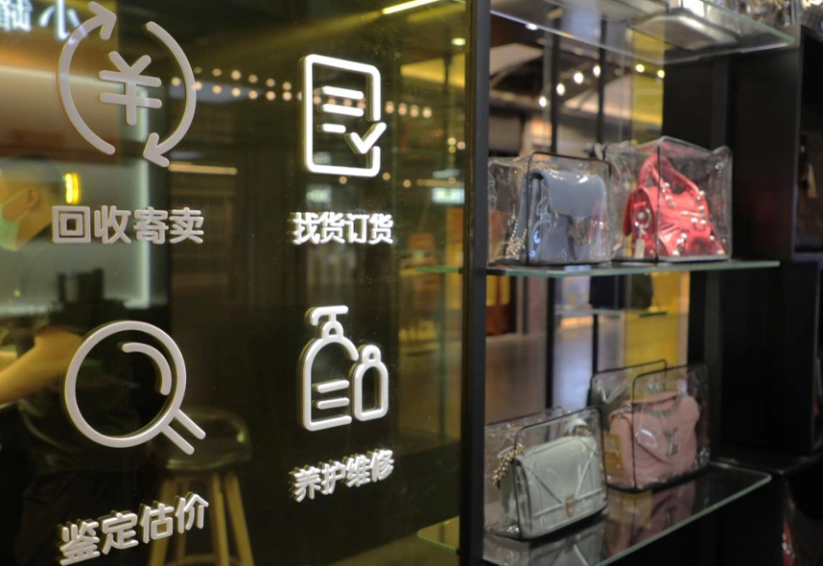
The other was physical retail. According to the article, Sheshouduo reached a joint store agreement with Alibaba in 2019 and operated co-branded stores in three Beijing locations, where sellers and buyers could handle buy-back and consignment, sourcing, valuation, and care and repair in one place; operating centres and directly run stores also existed in Shijiazhuang and Chengdu.
Reading It Back
The judgements in the piece — that domestic penetration lagged far behind mature markets, and that online and offline had to run together — held up over the years that followed. This 2020 article captures an early form of our store network and online business; the same path later extended into a wider store network and standalone authentication and auction capability.